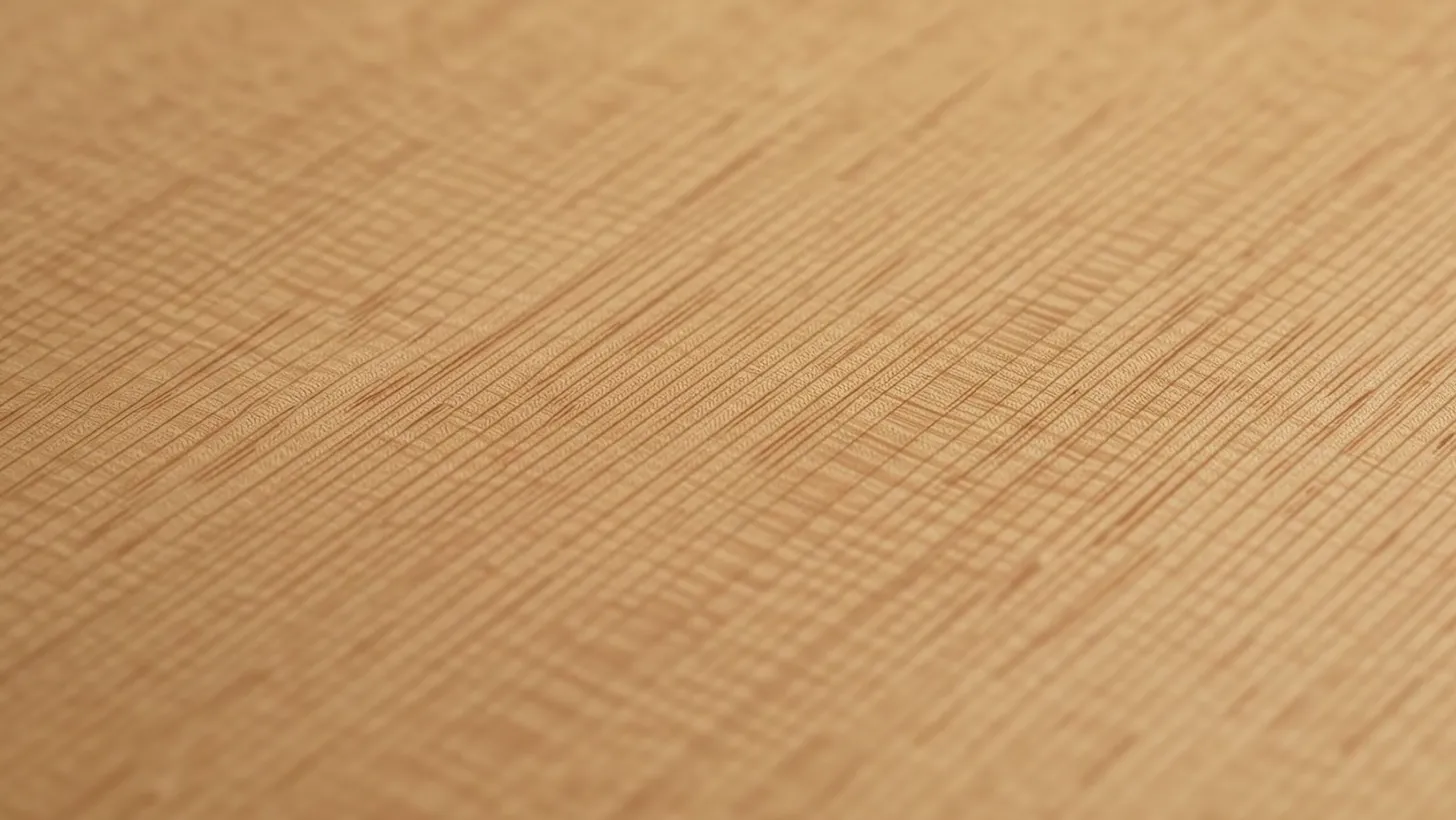
Splitting the top
Red spruce split, not sawn, so the grain runs straight through the plate.
Split along the grain from one Appalachian log, book-matched, and planed to 2.8 millimetres until it rings when you tap it.
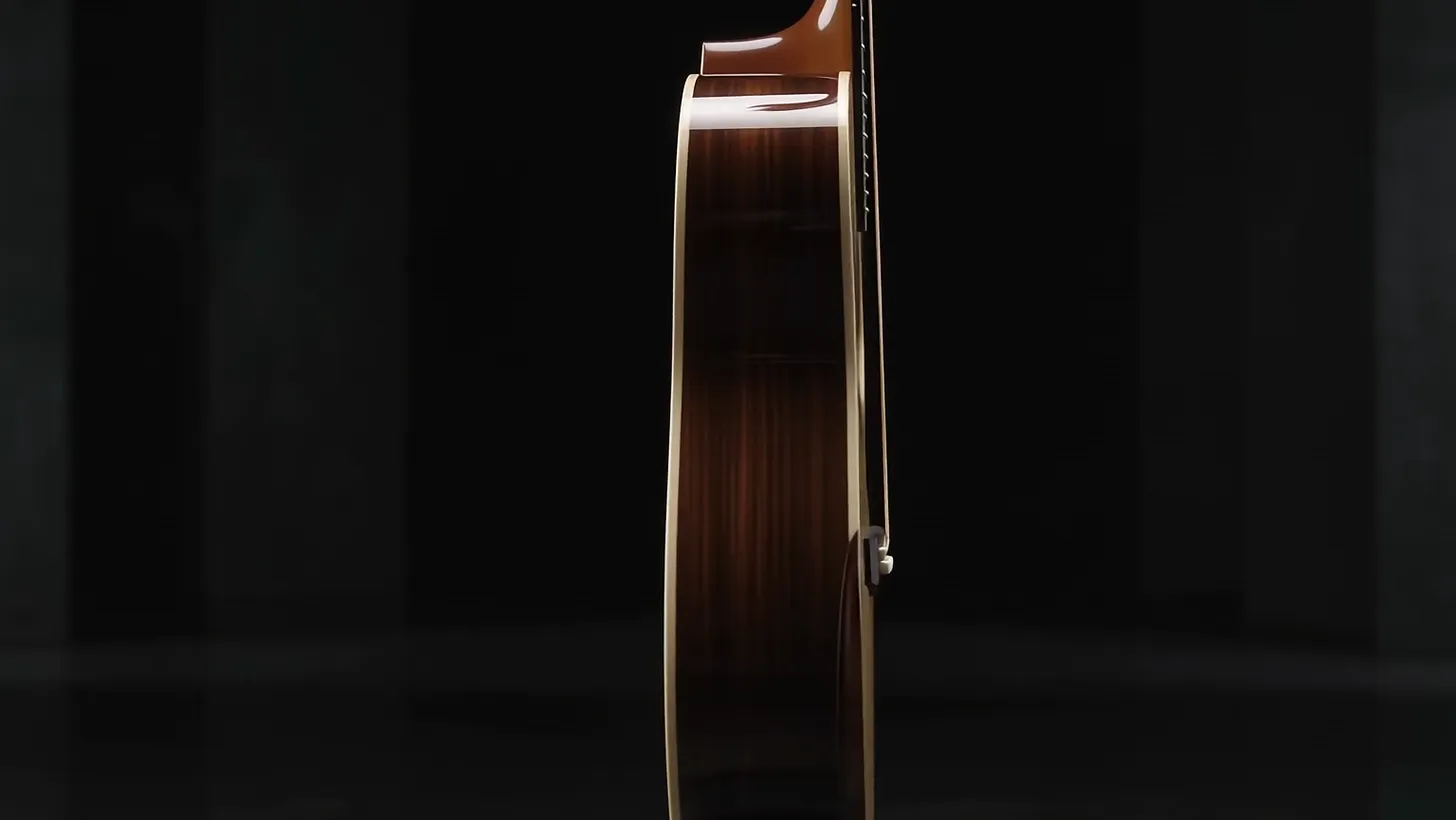
East Indian rosewood, wetted and bent by hand to the 000 outline, then lined so the top has something to hold on to.
Scalloped X-bracing, carved a shaving at a time while tapping the top, so it moves freely under the bridge and stays stiff at the edges.
The bridge is fitted to the curve of the top, the saddle shaped from bone, and everything glued hot so it can be taken apart and repaired in fifty years.
Before it ships, every Wrenfold is played in the shop for seven days, then signed inside by the person who built it.
We don't keep bodies stacked on a shelf waiting for necks. Every Wrenfold starts as a wedge of spruce on the day your name reaches the top of the list, and one builder carries it all the way to the first chord.
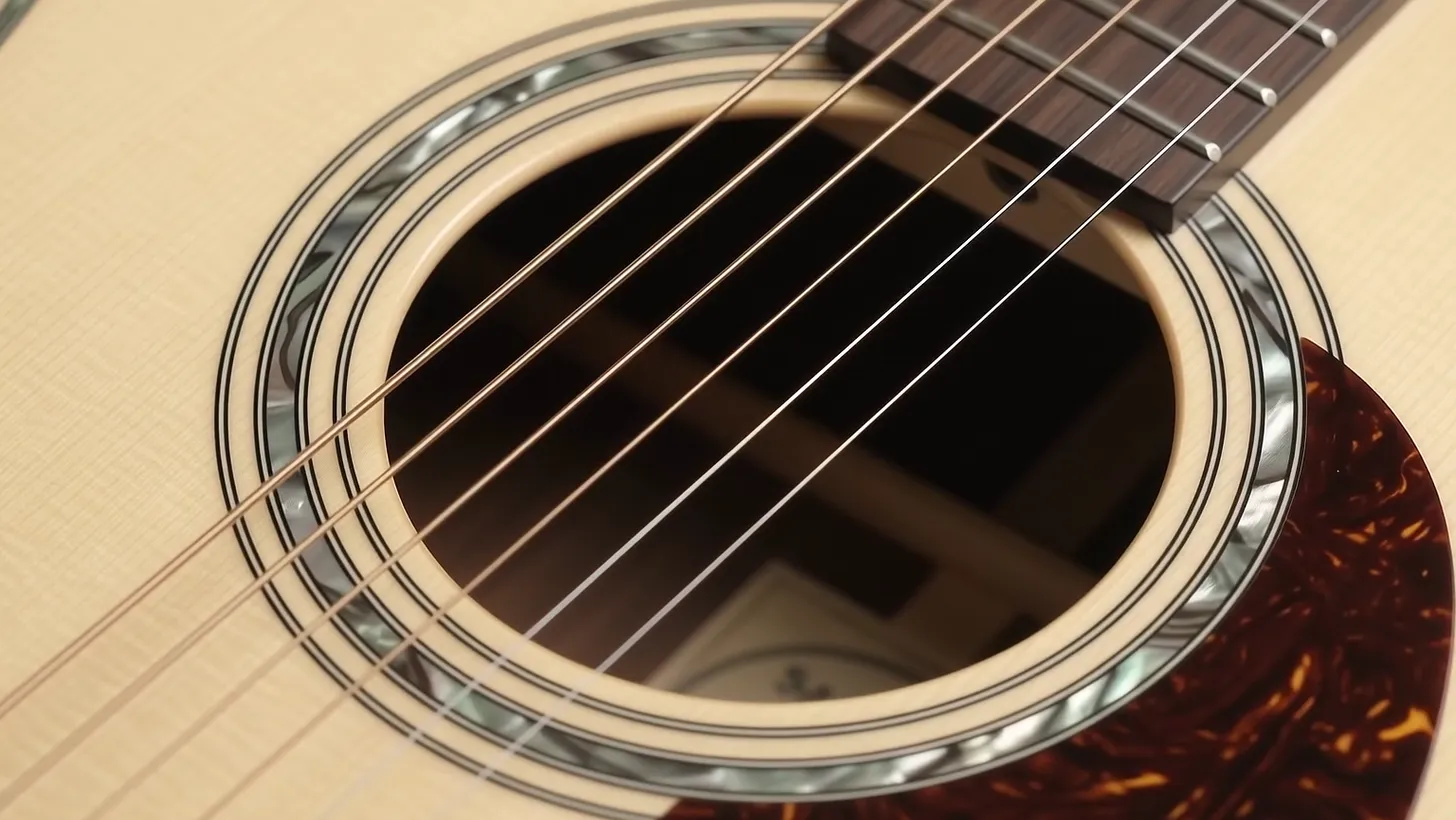
Tap a string, or strum all six. We carve the braces for this: a low end that blooms without swallowing the top, and trebles that stay round.Played by a small synth in your browser, a sketch of the real thing.
One builder, start to finish. The guitar never leaves the room between steps.
Red spruce split, not sawn, so the grain runs straight through the plate.
Rosewood wetted and bent over a hot iron to the 000 outline.
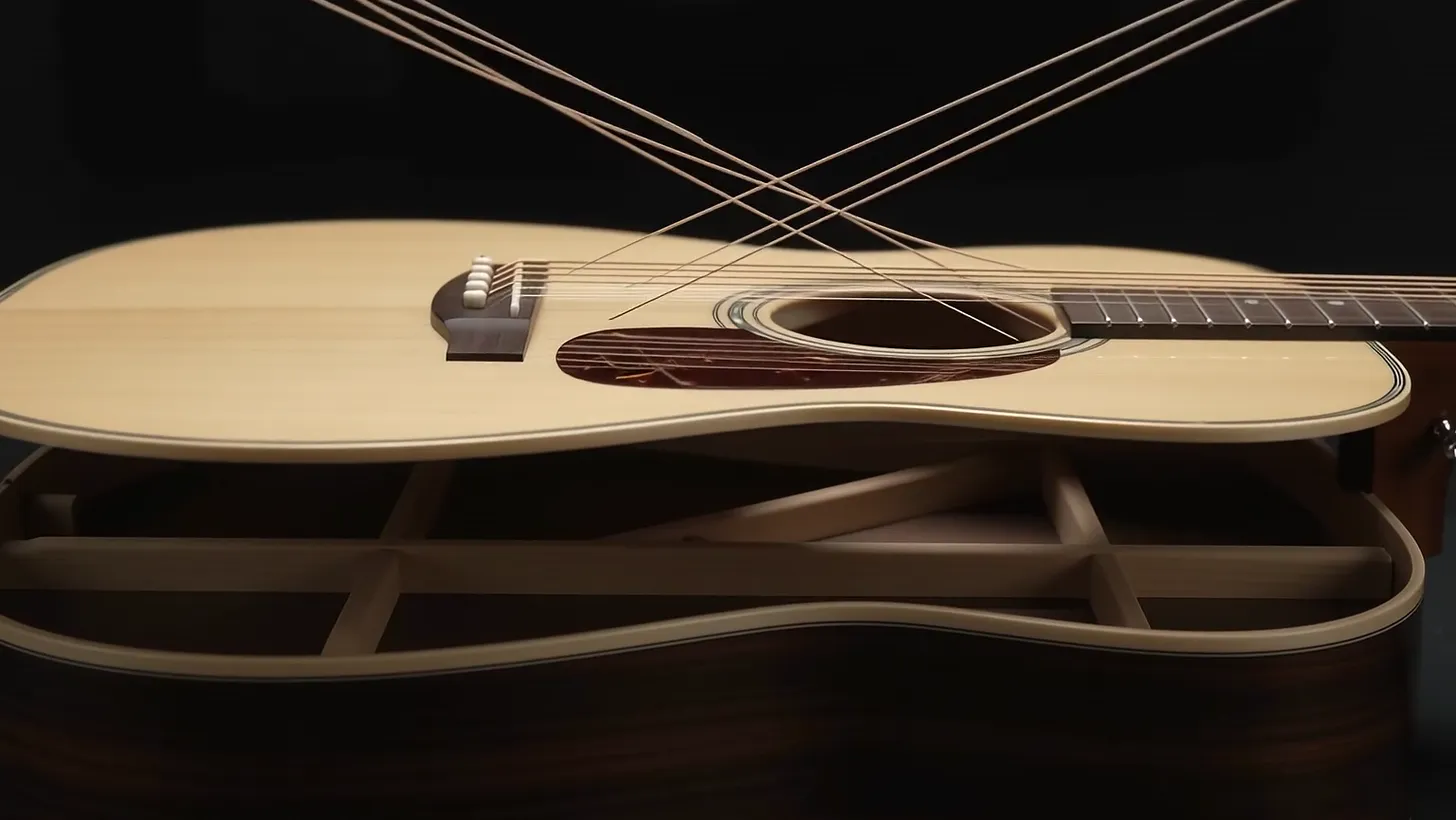
Twelve spruce braces, scalloped by ear while the top is tapped.
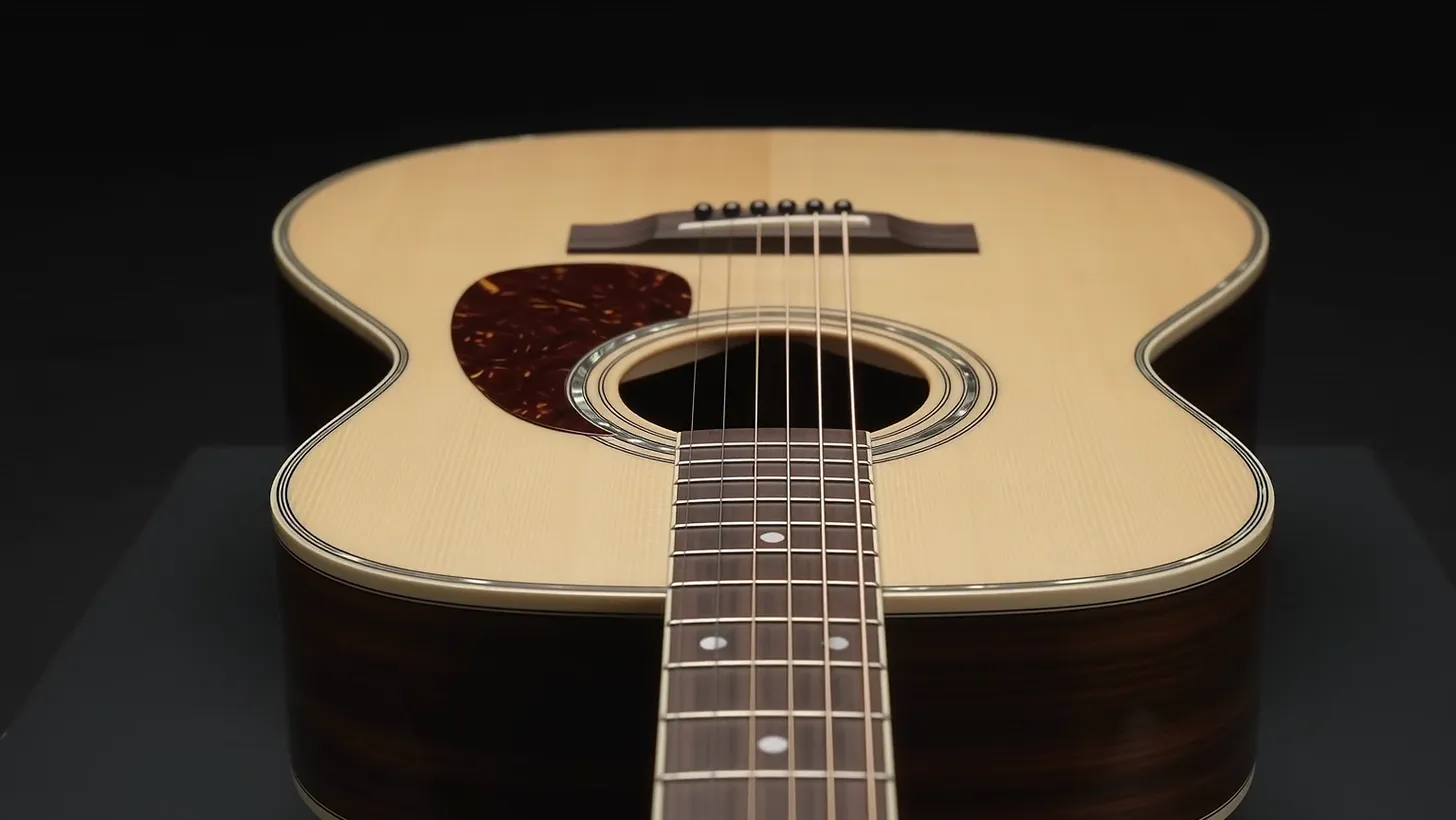
Top and back glued to the rim, bound in maple, and the neck fitted by hand.
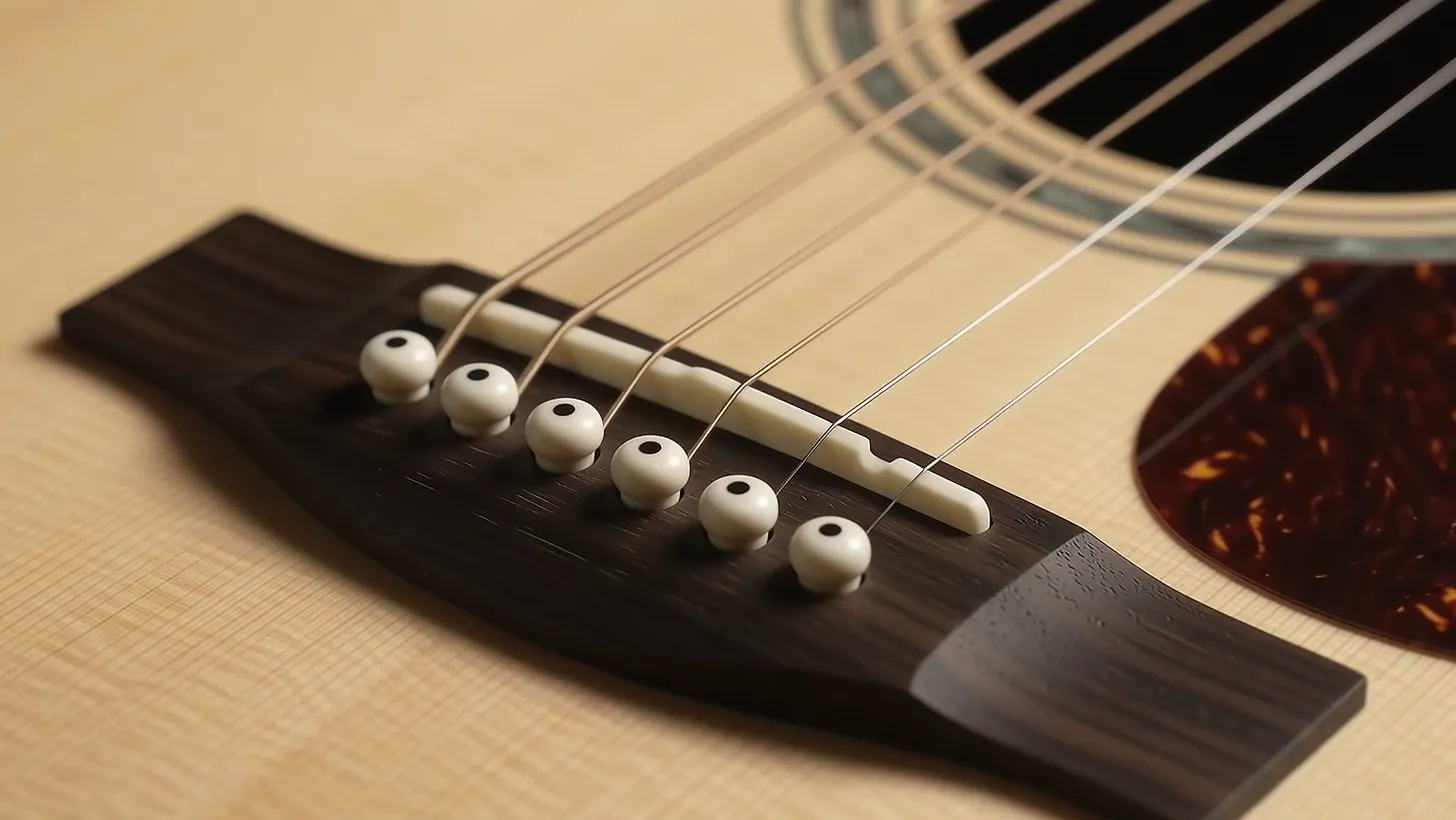
Thin nitro in a dozen coats, then the ebony bridge glued in hide.
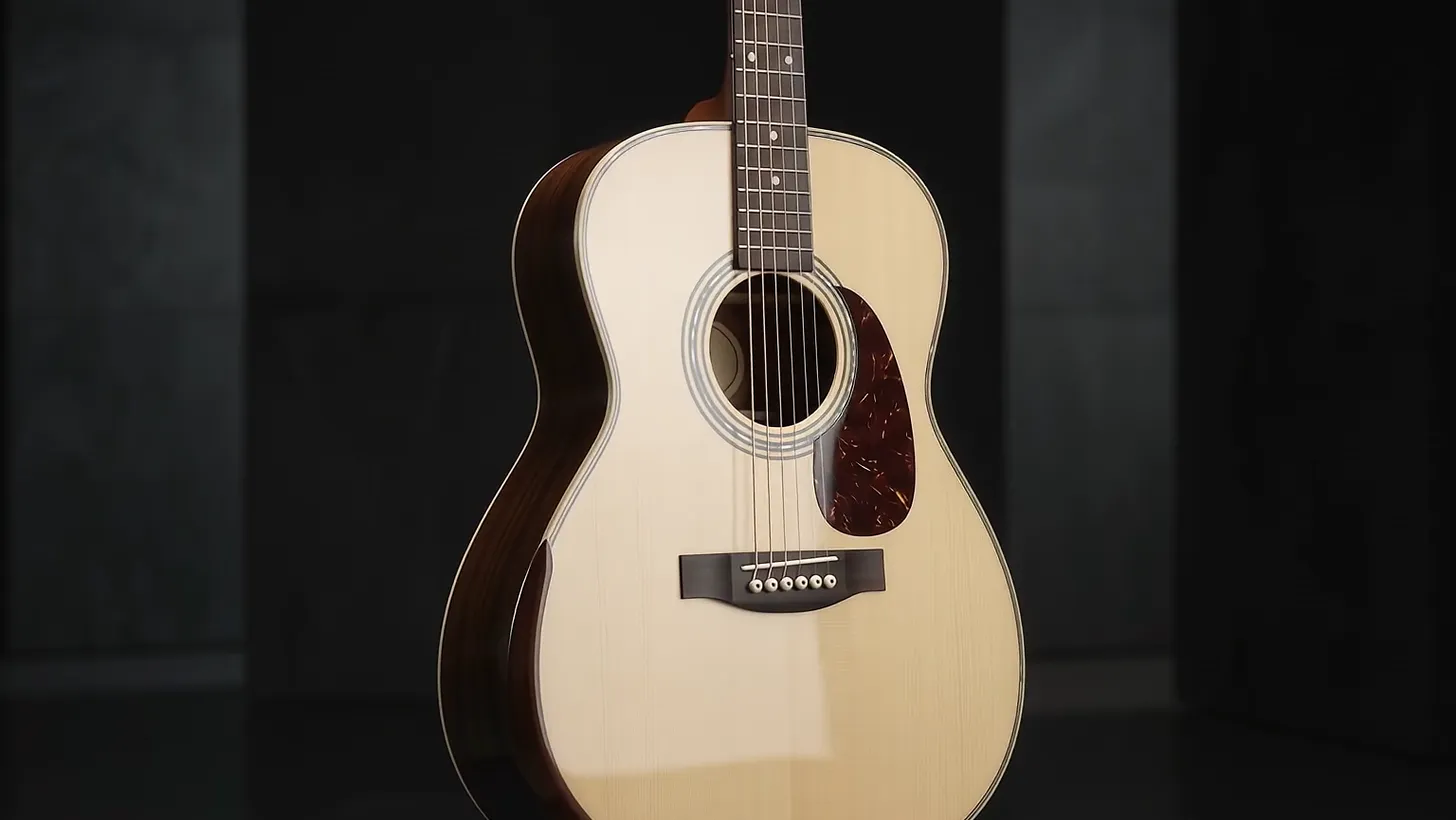
Set up, strung, and played for seven days before it is signed.
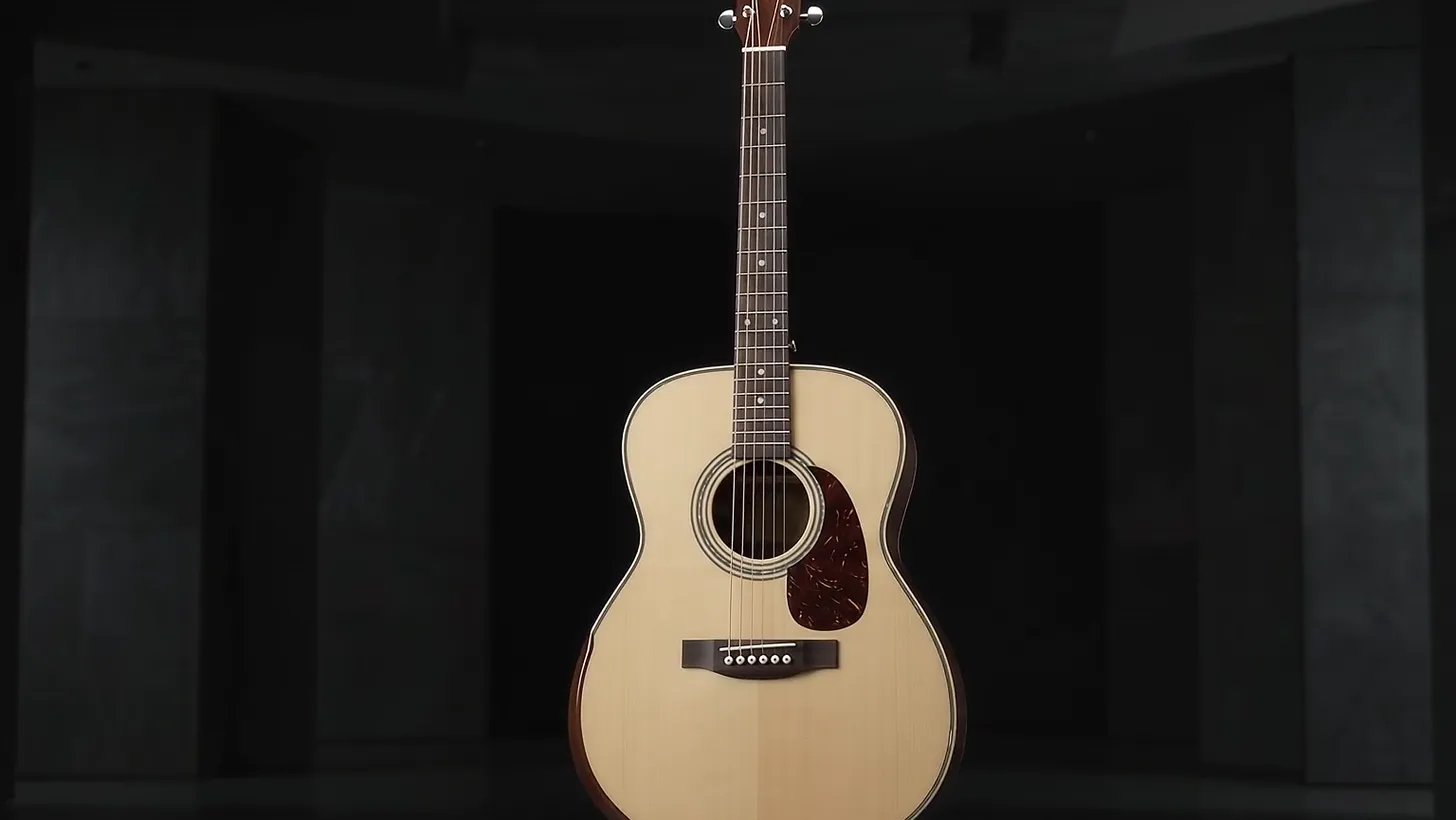 No. 2 · 000 · 14 frets clear
Pick a body and a top. We'll write back with the real wait, the woods we have on hand, and a time to come play one in the shop.